WWIII fears: Why Iran distributed iodine pills
Economic Times
Iran distributed iodine pills amid geopolitical tensions, prompting the WHO to explain how potassium iodide protects the thyroid during radiation emergencies.
Iran distributed iodine tablets to help protect citizens from potential radiation exposure during nuclear emergencies. According to the World Health Organization, potassium iodide tablets saturate the thyroid gland with stable iodine, preventing it from absorbing dangerous radioactive isotopes.
The WHO outlines specific guidelines for different groups, noting that children and pregnant women face higher risks and require careful dosage monitoring. Newborn babies under one month old should only receive a single dose with subsequent thyroid hormone checks, while breastfeeding mothers and infants must take separate doses.
The distribution occurs against a backdrop of escalating tensions between Iran and the United States, following military offensives and threats of strikes against suspected nuclear facilities. US President Donald Trump previously mentioned potential actions against sites like Pickaxe Mountain.
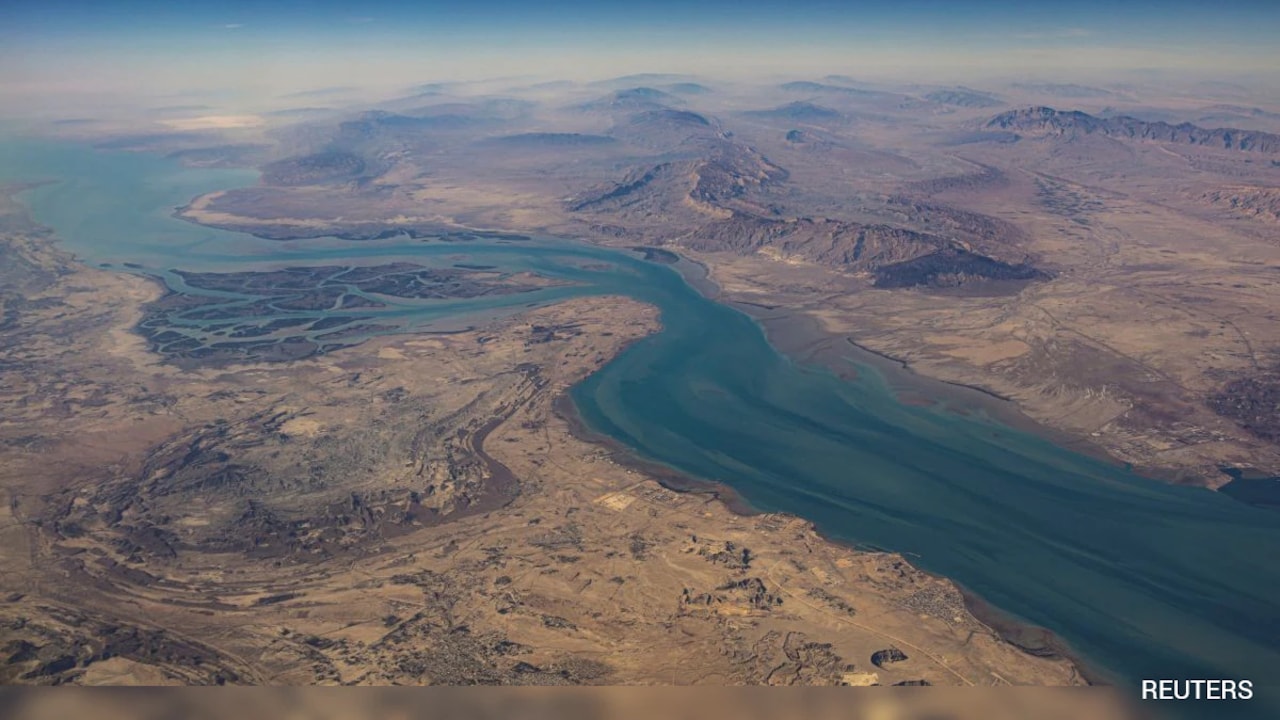
Iran's sole operational nuclear power plant is located in Bushehr along the Gulf coast. Local authorities maintain radiological emergency preparedness due to these ongoing regional conflicts and military threats.
Why it matters: The distribution of iodine pills highlights growing fears of a radiological emergency amid military hostilities and threats between Iran and the United States.