Why Even A Day Of Bursting Crackers Can Cause Lasting Health Damage
NDTV

Bursting firecrackers during Diwali causes dangerous spikes in PM2.5 and toxic pollutants, leading to severe short-term and long-term health damage, especially for children and the elderly.
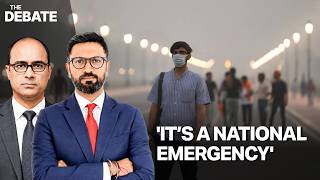
Following Diwali celebrations, air quality in Delhi and surrounding cities plummeted to dangerous levels as millions of firecrackers released toxic smoke. Experts note that while weather changes can eventually disperse accumulated pollution, a single day of inhaling smoke causes lasting harm to vulnerable populations.
According to Anumita Roychowdhury from the Centre for Science and Environment (CSE), children and the elderly face heightened risks because their developing systems or declining physical endurance make them more susceptible to toxic exposure. Individuals with pre-existing heart conditions and lung diseases like asthma and chronic obstructive pulmonary disease frequently experience worsened symptoms and higher hospitalization rates following the festival.
Firecrackers contain ignition materials like charcoal, sulfur, and potassium nitrate, alongside various metal salts utilized to create vibrant colors. Burning these chemical elements emits hazardous particles of multiple sizes, including PM10, PM2.5, ultrafine particles, and nanoparticles.
As winter inversion and stagnant air threaten to trap pollutants and worsen concentration levels, experts emphasize that controlling local sources of pollution requires continuous, large-scale action throughout the year rather than temporary measures.
Why it matters: Even short-term exposure to firecracker pollution triggers severe health crises and long-term damage, highlighting an urgent need for sustained year-round pollution control measures.