Scan to pay, burst by clock, breathe by bulletin: Delhi-NCR's Diwali, 10 years on
Times of India
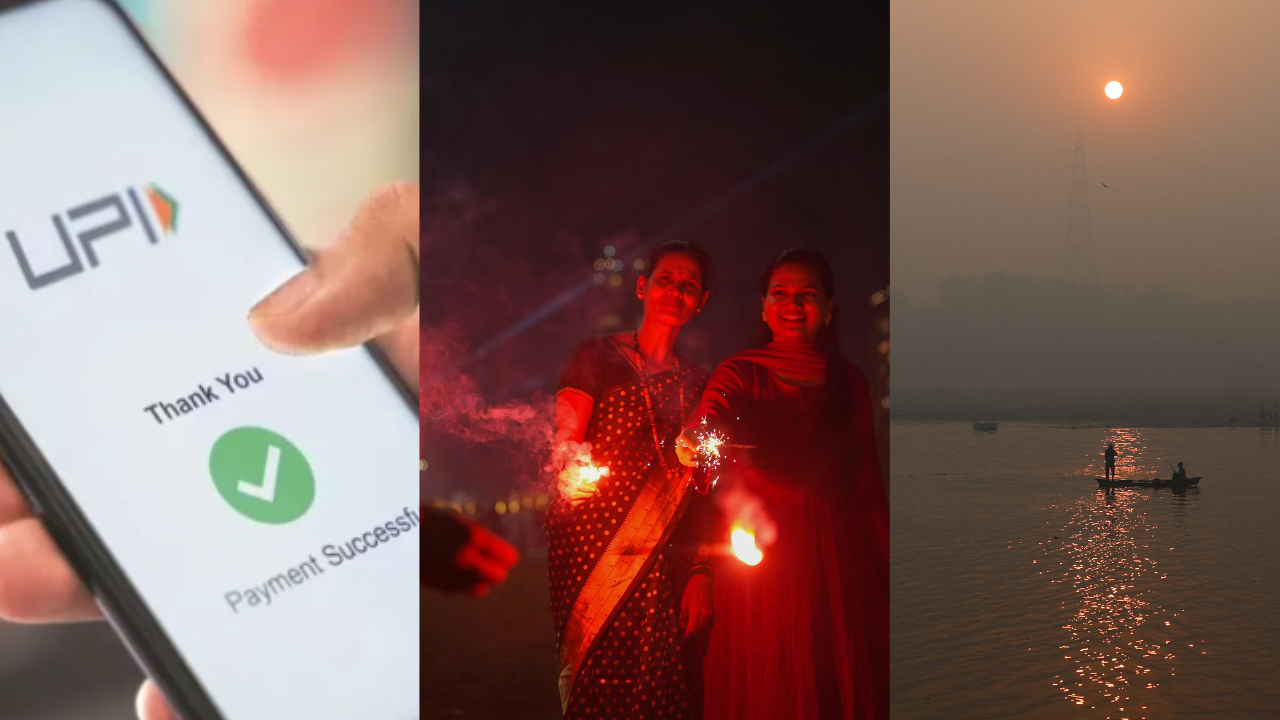
Over the past decade, Delhi-NCR's Diwali celebrations have transformed significantly through the widespread adoption of digital payments, strict judicial regulations on firecrackers, and evolving air quality monitoring.
Over the past ten years, the way Delhi-NCR celebrates Diwali has undergone notable shifts in commerce, regulation, and environmental tracking. Shopping runs that once relied on cash and haggling have been reshaped by the rapid growth of UPI, which expanded from its 2016 launch to process billions of transactions nationally by fiscal year 2025-26.
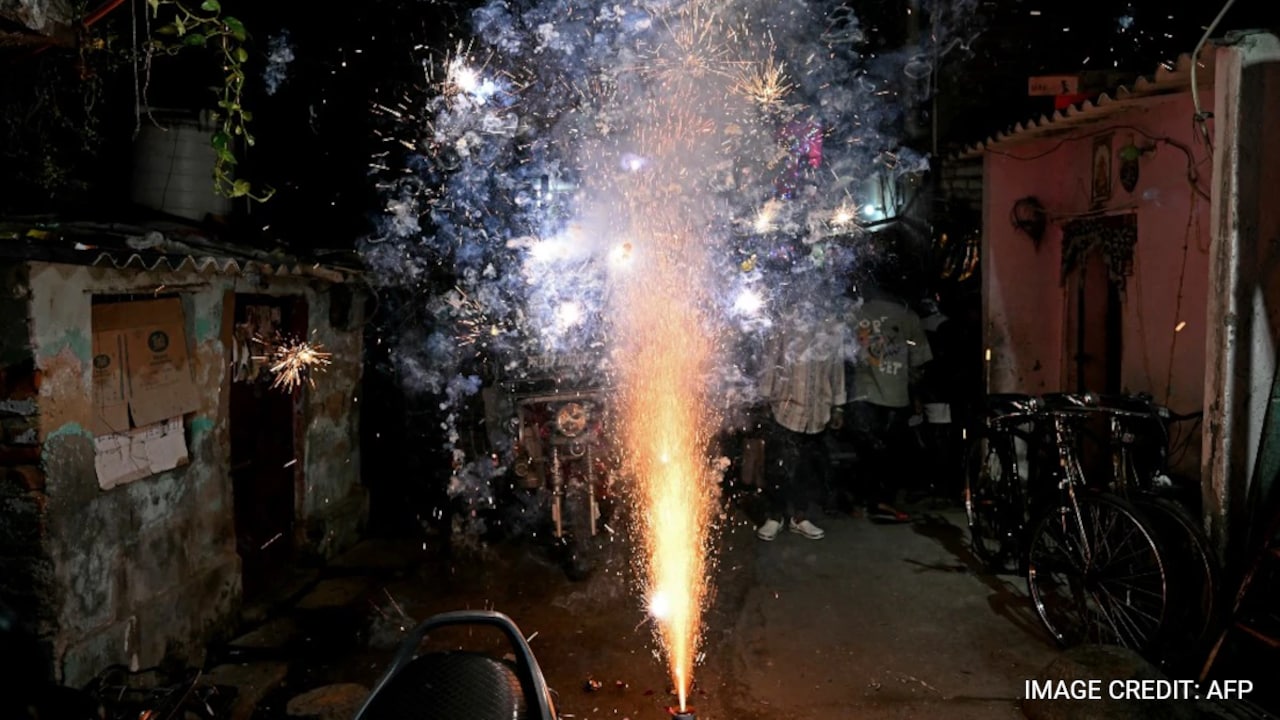
At the same time, firecracker usage has transitioned from a custom-driven practice to a heavily restricted activity governed by Supreme Court interventions. Judicial rulings have evolved from outright bans to permitting only certified green crackers within strictly defined morning and evening time slots, while also prohibiting online sales and unapproved chemical compositions.
Air quality remains a central focus of the festive season, with Central Pollution Control Board data showing varying conditions influenced by seasonal weather factors, wind speeds, and calendar timing. Because Delhi-NCR spans multiple municipal jurisdictions, pollution levels and regulatory enforcement differ across cities like Noida, Gurugram, and Faridabad.
Why it matters: The decade-long evolution of Delhi-NCR's Diwali highlights how technology, judicial oversight, and environmental monitoring have systematically altered traditional cultural celebrations in urban India.