Netanyahu vs Eisenkot: Who is likely to form Israel’s next government?
Firstpost
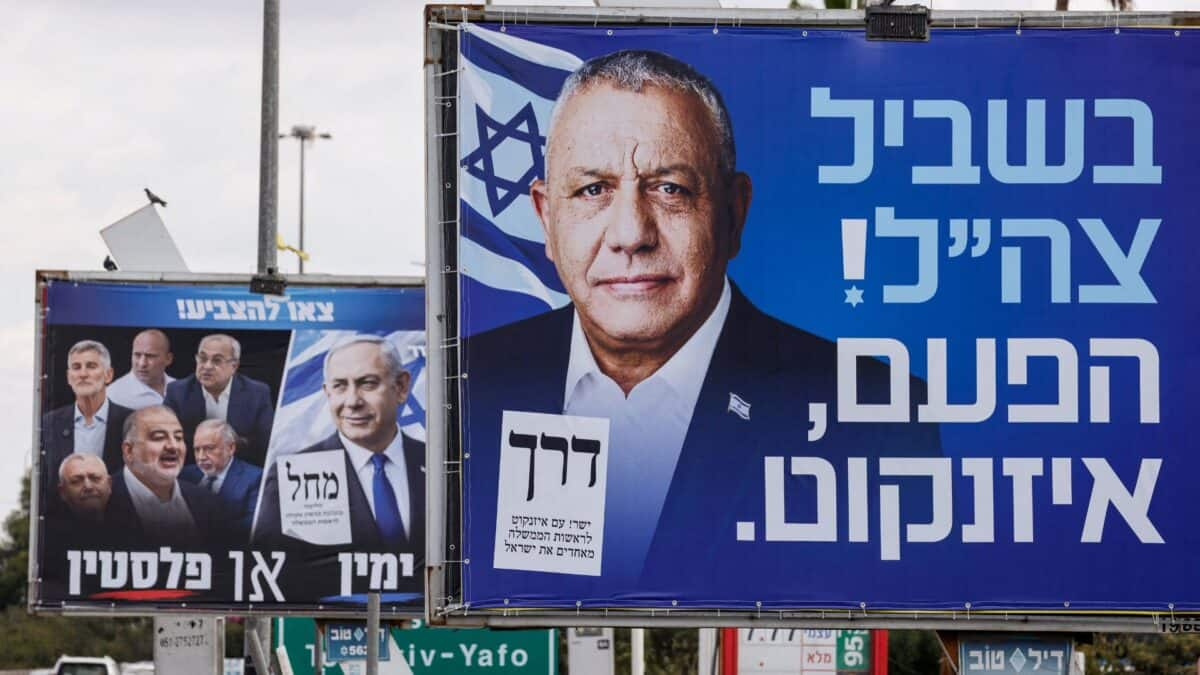
Israel's general election resulted in a hung parliament, leaving Prime Minister Benjamin Netanyahu and rival Gadi Eisenkot competing to form a coalition government.
Israel's recent general election concluded with a hung parliament, leaving Prime Minister Benjamin Netanyahu's bloc with 53 seats and challenger Gadi Eisenkot's opposition bloc with 48 seats in the 120-member Knesset. Neither bloc achieved the required 61 seats to form a majority government independently.
President Isaac Herzog has received the certified election results and begun consultations with political leaders to determine who will receive the mandate to form a government. Eisenkot currently leads with expected recommendations reaching 56 lawmakers, aided by support from parties including Ra'am, while Netanyahu's bloc faces challenges due to his refusal to rely on Arab-led parties.
Herzog urged party leaders to compromise to avoid another election cycle, stating that 'not every commitment and promise can be fulfilled'. The chosen candidate will have 28 days to assemble a coalition, with a potential 14-day extension.
Why it matters: The election outcome and the pivotal role of Arab-led parties will determine whether Netanyahu remains in power or if Eisenkot successfully forms a new coalition, steering Israel's future political direction.