Loan Holidays, Debt Relief? Banks Brace For El Nino Shock
NDTV
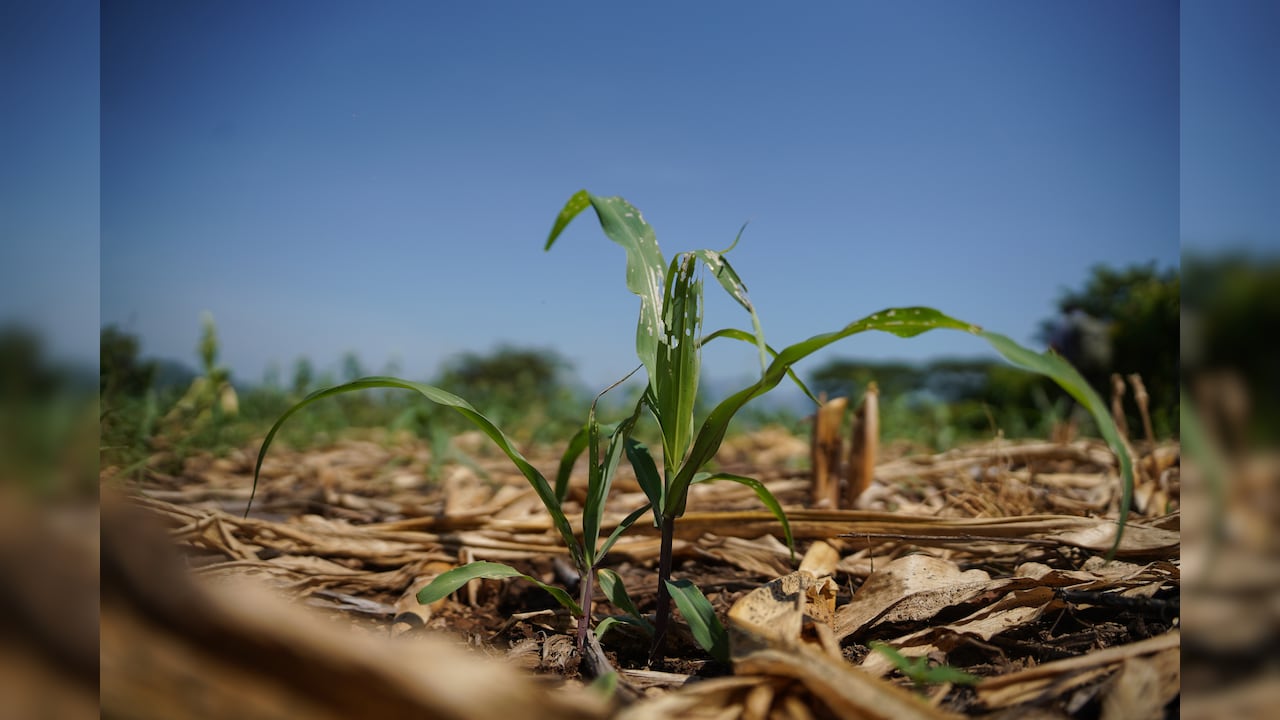
Global banks are reviewing loan portfolios and considering debt relief measures as the El Nino weather phenomenon threatens agriculture and supply chains.
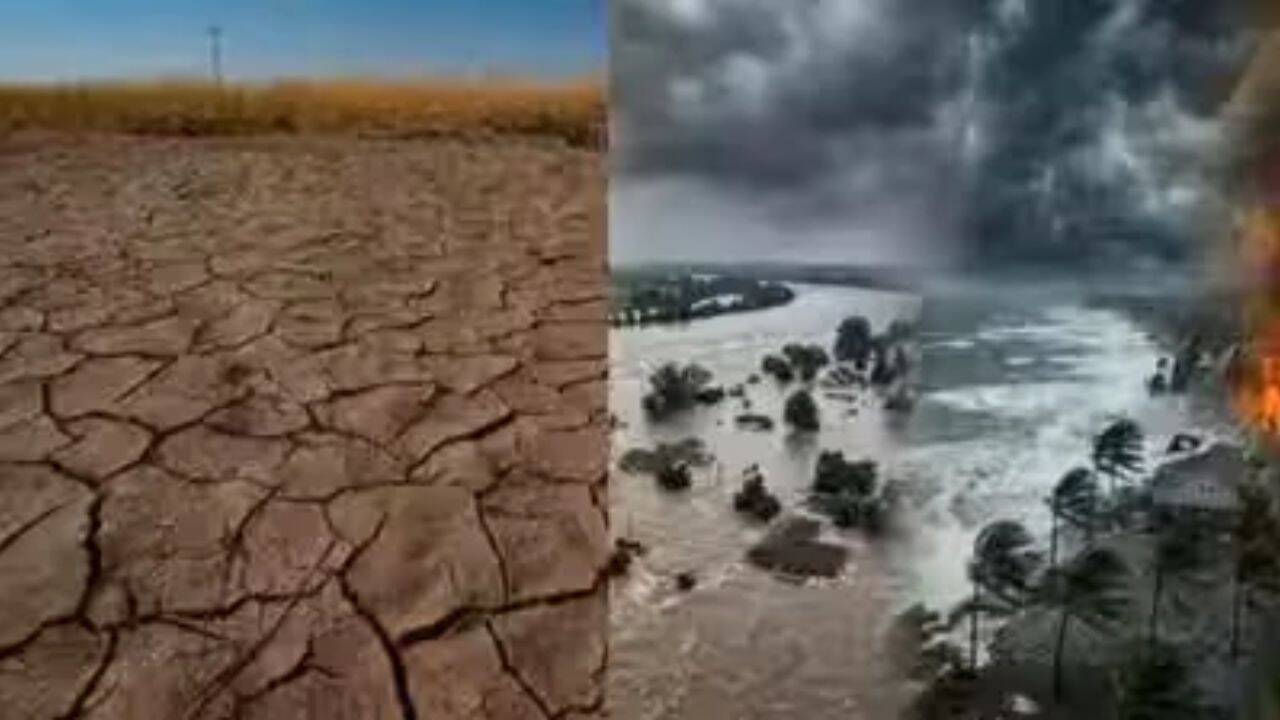
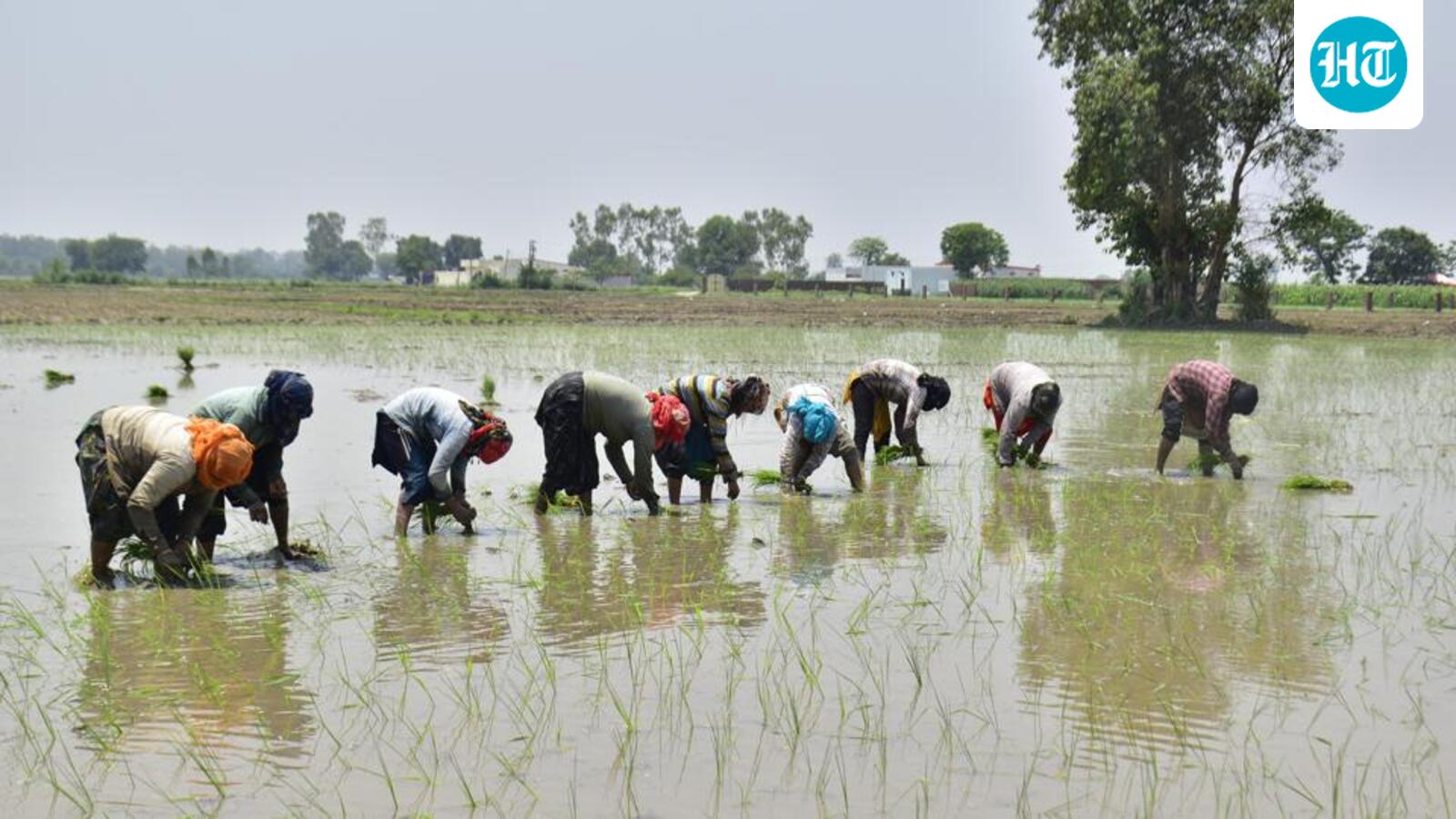
Financial institutions worldwide are actively assessing their exposure to climate-related risks as a strong El Nino weather cycle triggers droughts and floods, threatening agriculture, supply chains, and broader economic stability. Major lenders like Spain's Banco Bilbao Vizcaya Argentaria SA, Banco Santander, and CaixaBank are reviewing vulnerable loan books, considering options such as debt rescheduling, grace periods, and agricultural loan repayment holidays.
Money managers and analysts warn that the intensity of this El Nino cycle will disrupt commodity supplies, drive inflation, and widen trade deficits. Institutions such as JPMorgan Chase, Citigroup, and Danske Bank note that physical climate risks extend beyond direct agricultural exposures into logistics, shipping, and the wider macroeconomy. Meanwhile, lenders in emerging markets like Peru's Credicorp and Intercorp Financial Services, alongside Brazil's Banco do Brasil, are closely monitoring potential defaults and setting up special weather-related clauses.
European banks face additional regulatory pressure under EU disclosure rules to report physical climate risks, which can impact credit quality faster than real estate loans. Banks are incorporating portfolio-level and client-level climate risk assessments, with institutions like BBVA developing multi-phase early warning systems using historical data and meteorological models to help vulnerable clients prepare for extreme weather shocks.
Why it matters: The intensifying El Nino cycle poses a direct threat to global credit quality and loan performance, forcing major international banks to rethink risk management, regulatory disclosures, and debt relief strategies for vulnerable borrowers.