Israel’s deadlock: Bibi in a bind, but what changes for India, Iran & Gaza?
Times of India
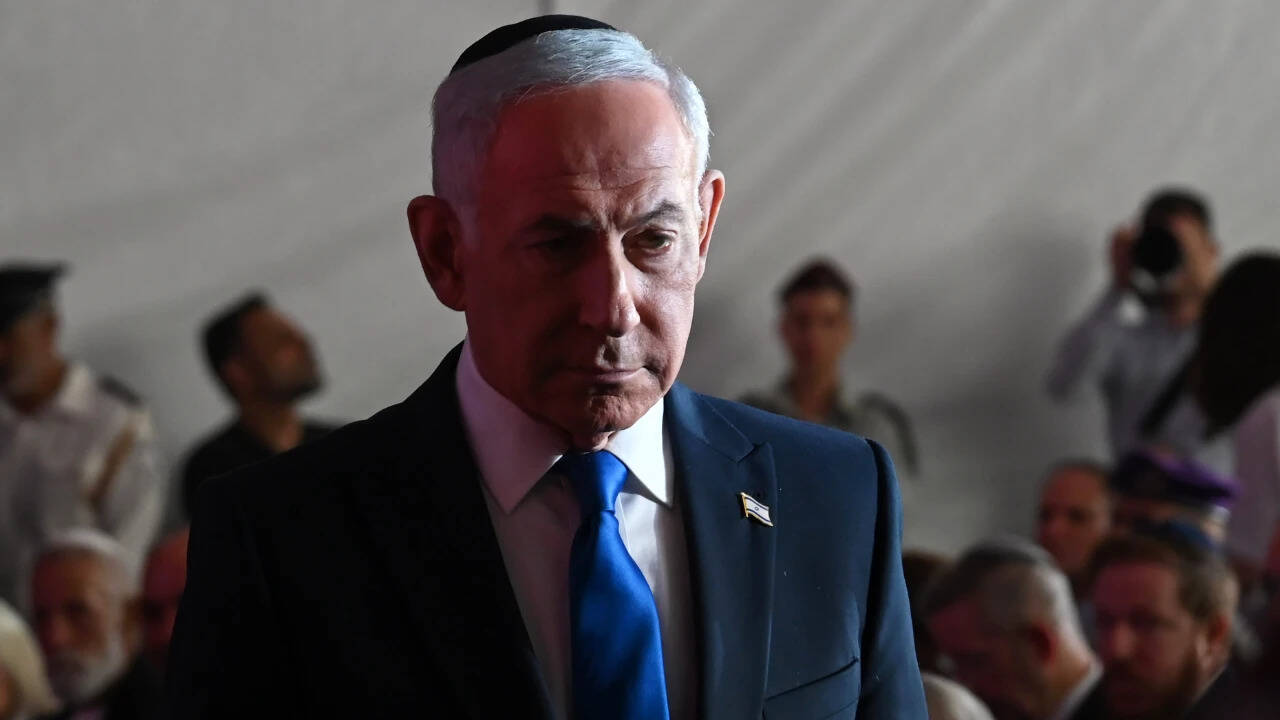
Israel faces a political deadlock after elections leave Benjamin Netanyahu and rival Gadi Eisenkot short of a majority.
Israel's recent elections resulted in a political deadlock, with Benjamin Netanyahu's Likud party winning the most seats at 53, while opposition challenger Gadi Eisenkot's alliance secured 48 seats. Neither leader reached the magic number of 61 required to form a government in the 120-member Knesset. Turnout reached 77.9 percent, driven by a surge in Arab voter participation.
President Isaac Herzog received the certified results, which showed no irregularities, dismissing Netanyahu's claims of election theft. Herzog began meeting with party leaders, and Eisenkot secured early endorsements representing 56 seats, putting him ahead in recommendations. Meanwhile, United Torah Judaism withheld its endorsement, and the Joint List has yet to decide.
The political deadlock complicates key national security issues, including a paused war with Iran and ongoing military goals in Gaza. Eisenkot, a former IDF chief of staff, shares similar hardline goals regarding Hamas and Palestinian statehood as Netanyahu, though he opposes Netanyahu's far-right partners and criticizes settler violence. If no coalition is formed, Israelis could return to the polls early next year.
Why it matters: The political deadlock prevents Israel from establishing a stable government while crucial decisions regarding regional conflicts with Iran and military actions in Gaza hang in the balance.