India’s airpocalypse: The story of Diwali peaks, missing data, and stubble-burning build-up, in charts
LiveMint

Air quality across northern and central India plummeted after Diwali due to festive fireworks, stubble burning, and winter weather trapping pollutants.
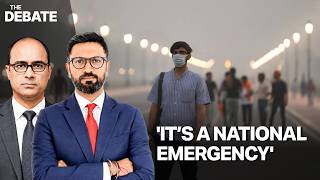
Air quality across Delhi and over 200 other Indian cities deteriorated sharply following Diwali celebrations. PM2.5 levels surged five to seven times within hours, peaking between midnight and 2 am at levels equivalent to smoking 25 to 26 cigarettes in a single day.
During this peak pollution period, several air pollution monitoring stations experienced data blackouts. Hardware limits maxing out at 1,000 ug/m3 and filter tapes clogging from heavy particulates caused sensors to go blank, with readings at Mundka reaching as high as 3,744.
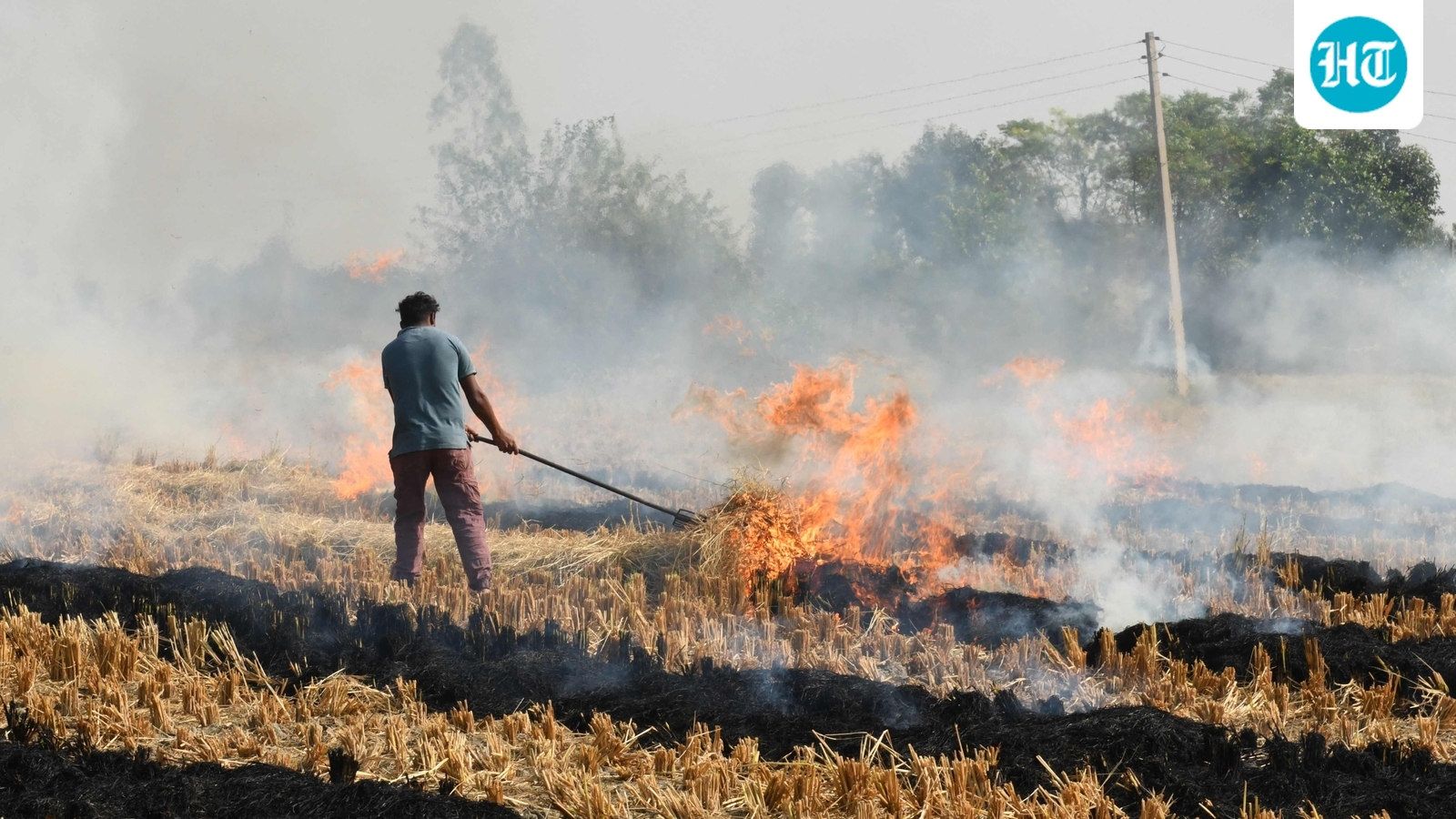
Beyond Diwali firecrackers, seasonal factors contributed heavily to the crisis. Colder winter air began trapping pollutants near the ground, and stubble burning added to the toxic build-up, with its contribution to Delhi's PM2.5 levels reaching 16.3% in early November.
Winter conditions mean clean air will likely remain absent until February, highlighting an ongoing policy failure to adequately address the recurring annual environmental crisis.
Why it matters: The annual post-Diwali pollution spike highlights a severe, recurring environmental and public health crisis in northern and central India that current policies fail to prevent.