India bans lithium-ion battery black mass exports: What led to the move and what happens next?
LiveMint

India has banned the export of lithium-ion battery black mass to secure domestic raw materials and boost critical mineral recycling.
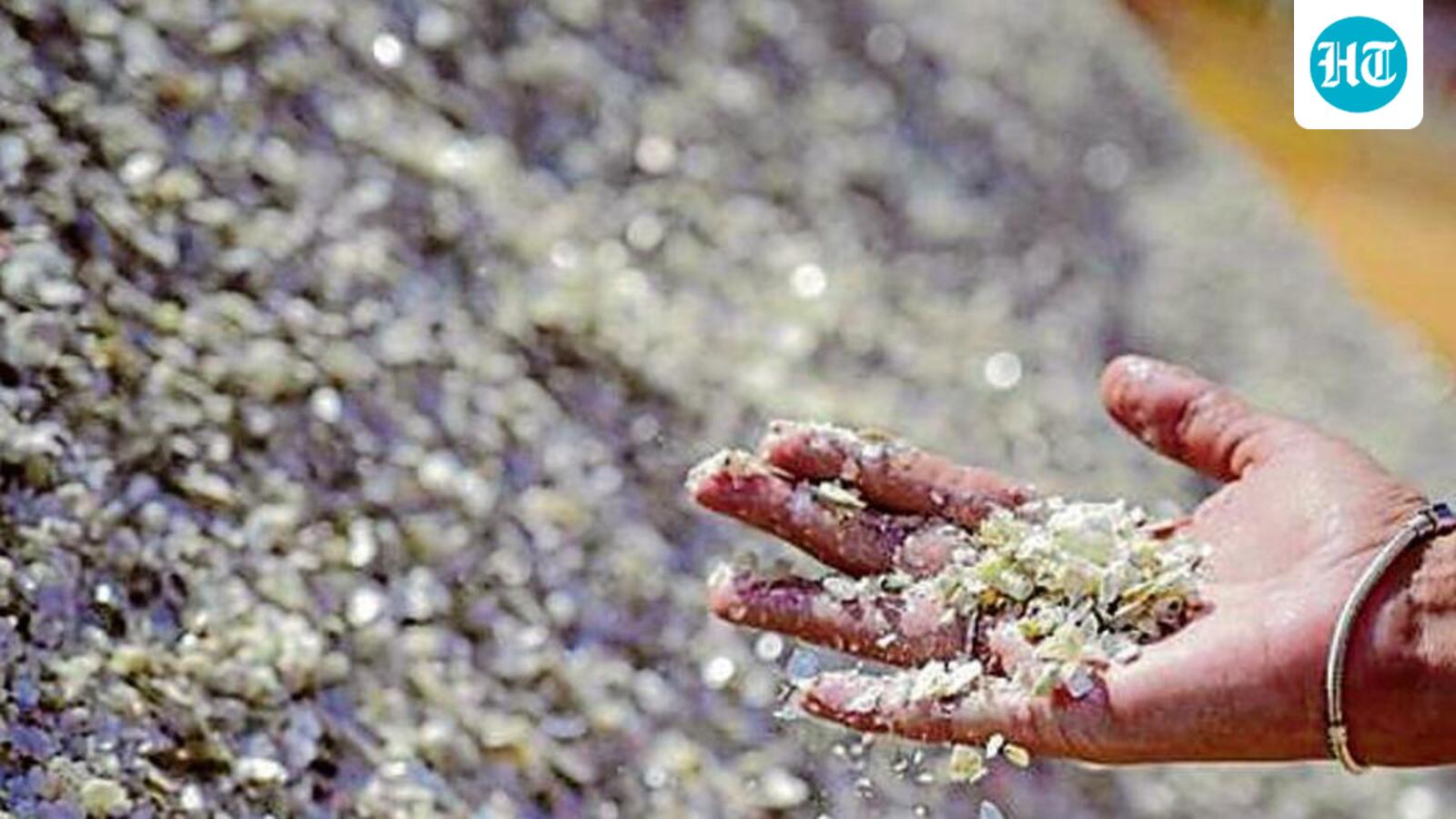
India's Commerce Ministry and the Directorate General of Foreign Trade prohibited the export of lithium-ion battery black mass to ensure that the material remains inside the country for domestic processing facilities. Black mass is a powder derived from shredding used batteries and contains essential minerals like lithium, cobalt, nickel, and manganese.
While India has expanded its recycling capabilities, domestic facilities lacked sufficient raw material because valuable resources were being sent overseas. According to Ajay Srivastava of the Global Trade Research Initiative, the policy preempts future shipments and addresses shortages where processing capacity exceeds domestic generation.
The export ban aligns with the National Critical Mineral Mission and its incentive scheme. The measure is expected to improve capacity utilization, drive sector investments, create jobs, and reduce India's reliance on foreign mineral imports.
Why it matters: The export ban is significant because it aims to secure vital raw materials for domestic electric vehicle and clean energy supply chains while reducing India's reliance on imported minerals.