
Gold, Muhurat trading & big business: The economics of Diwali and how they've changed
Times of India
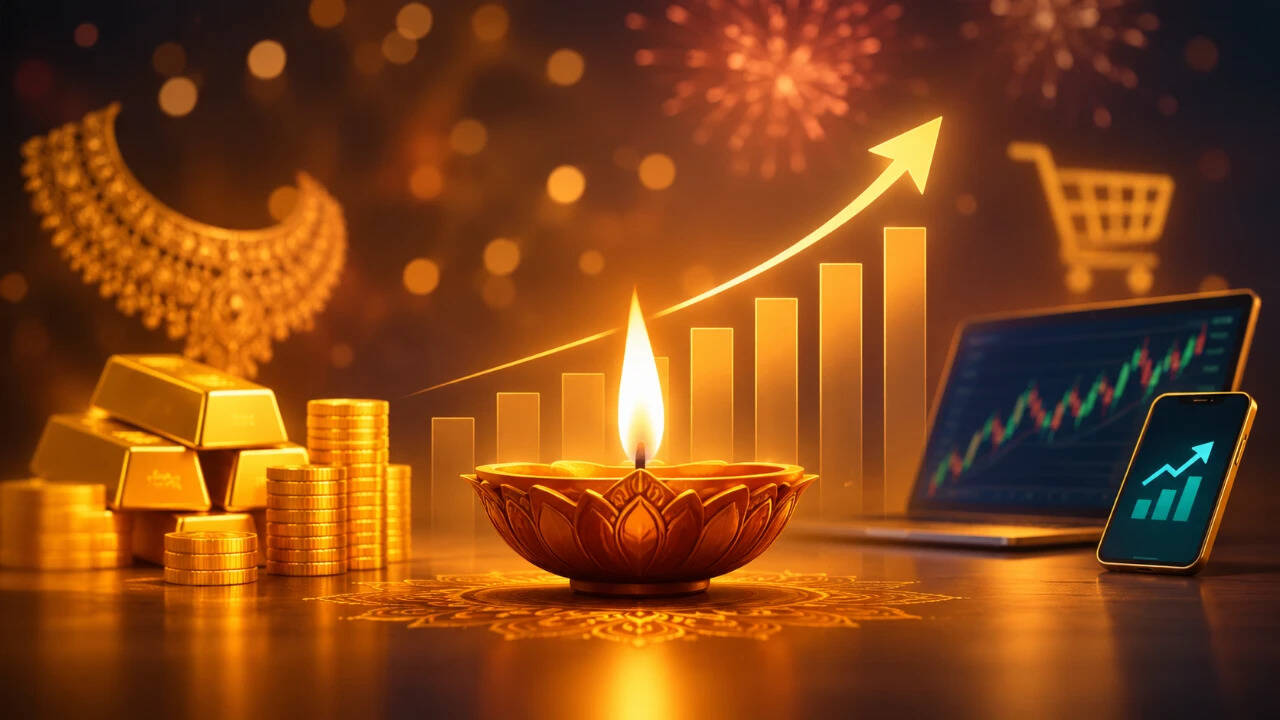
Indian Diwali traditions involving wealth, gold purchases, and accounting have evolved with digital tools and modern investments while retaining cultural significance.
Diwali remains a major period for Indian households and businesses to review finances, buy gold, and make investments, though modern methods have shifted toward digital ledgers and financial products like mutual funds. Experts note that festivals serve as a cultural motivation to transition from saving to regular investing habits, while businesses maintain traditional record-keeping alongside formal digital accounting and tax compliance.
Buying precious metals on Dhanteras continues to be a central tradition, with gold sales reaching an estimated Rs 60,000 crore amid high prices. Consumer demand also expanded into diamond jewellery, automobiles, consumer durables, travel, and ecommerce during the festive season.
Industry experts like Ravi Kapoor highlighted that a significant portion of annual sales for automobiles and consumer durables occurs during this period. Meanwhile, the core philosophy of financial planning and securing tomorrow remains tied to traditional festive customs.
Why it matters: The Diwali festive season serves as a critical economic driver for India, shaping annual retail consumption, gold demand, and household investment habits.


