Eisenkot gets first shot at power in Israel: How does the country choose its next prime minister?
Firstpost
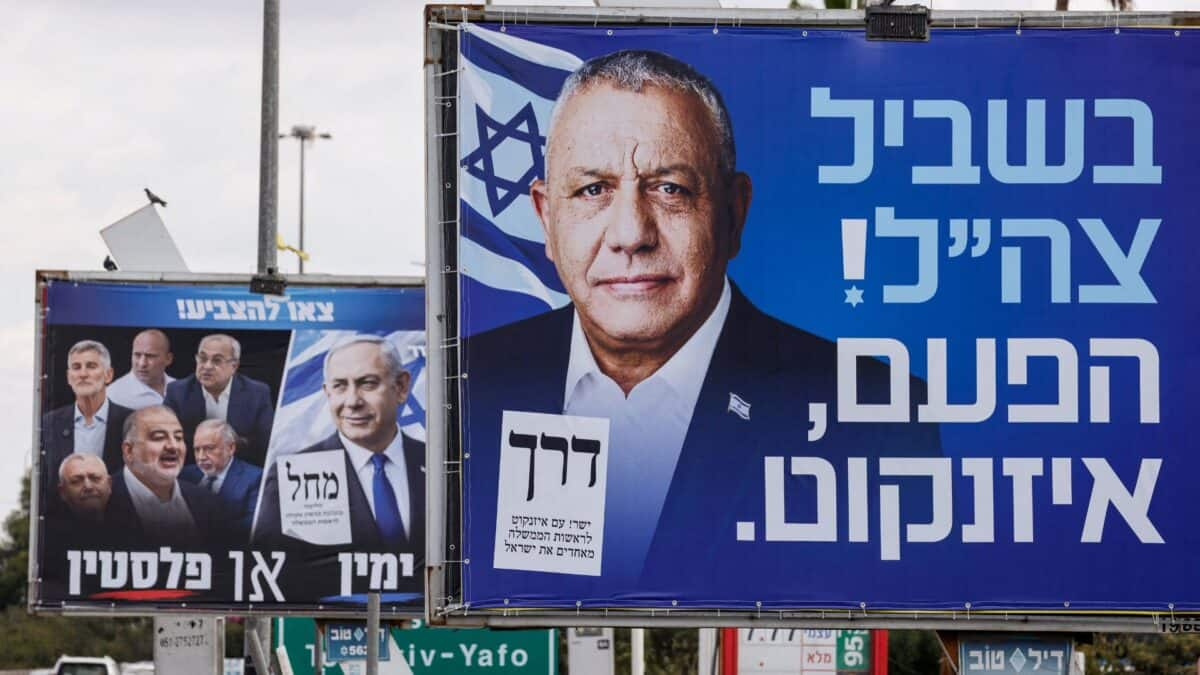
Israeli President Isaac Herzog has given opposition leader Gadi Eisenkot the mandate to form a new government.
Israeli opposition leader Gadi Eisenkot has been given the mandate by President Isaac Herzog to form the country's next government. Eisenkot now has 28 days to build a coalition that can secure a parliamentary majority in the 120-member Knesset.
Forming a government presents a significant challenge because Eisenkot's opposition bloc won 48 seats in the October elections, while Benjamin Netanyahu's camp secured 53 seats and Arab parties captured 19 seats. Israel's proportional representation system means no single party has ever won an outright majority, making multi-party coalitions and negotiations essential for governance.
If Eisenkot fails to gather the required support within the initial 28-day period, the president may grant an extension or pass the mandate to another leader. Ultimately, failure by all leaders to form a coalition can lead to the dissolution of the Knesset and fresh elections, while the outgoing administration continues in a caretaker capacity.
Why it matters: The process highlights how Israel's parliamentary system and coalition negotiations shape government formation, determining whether the opposition can displace the incumbent prime minister or if the country faces new elections.