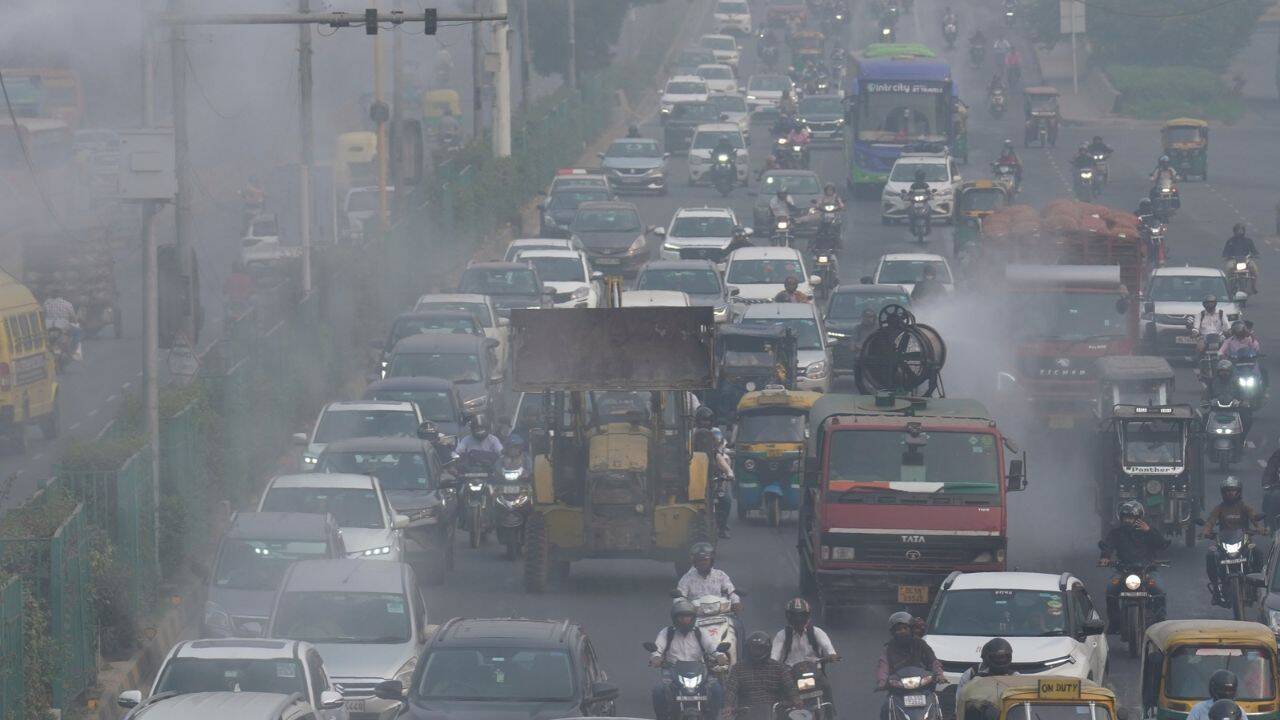
Delhi’s early winter air pollution highest in 3 years: Study
The Hindu

Severe smog persists despite falling contribution of pollution from stubble
burning, pointing to sectors such as transport, which is the largest
contributor, according to CSE
The Hindu
Severe smog persists despite falling contribution of pollution from stubble
burning, pointing to sectors such as transport, which is the largest
contributor, according to CSE
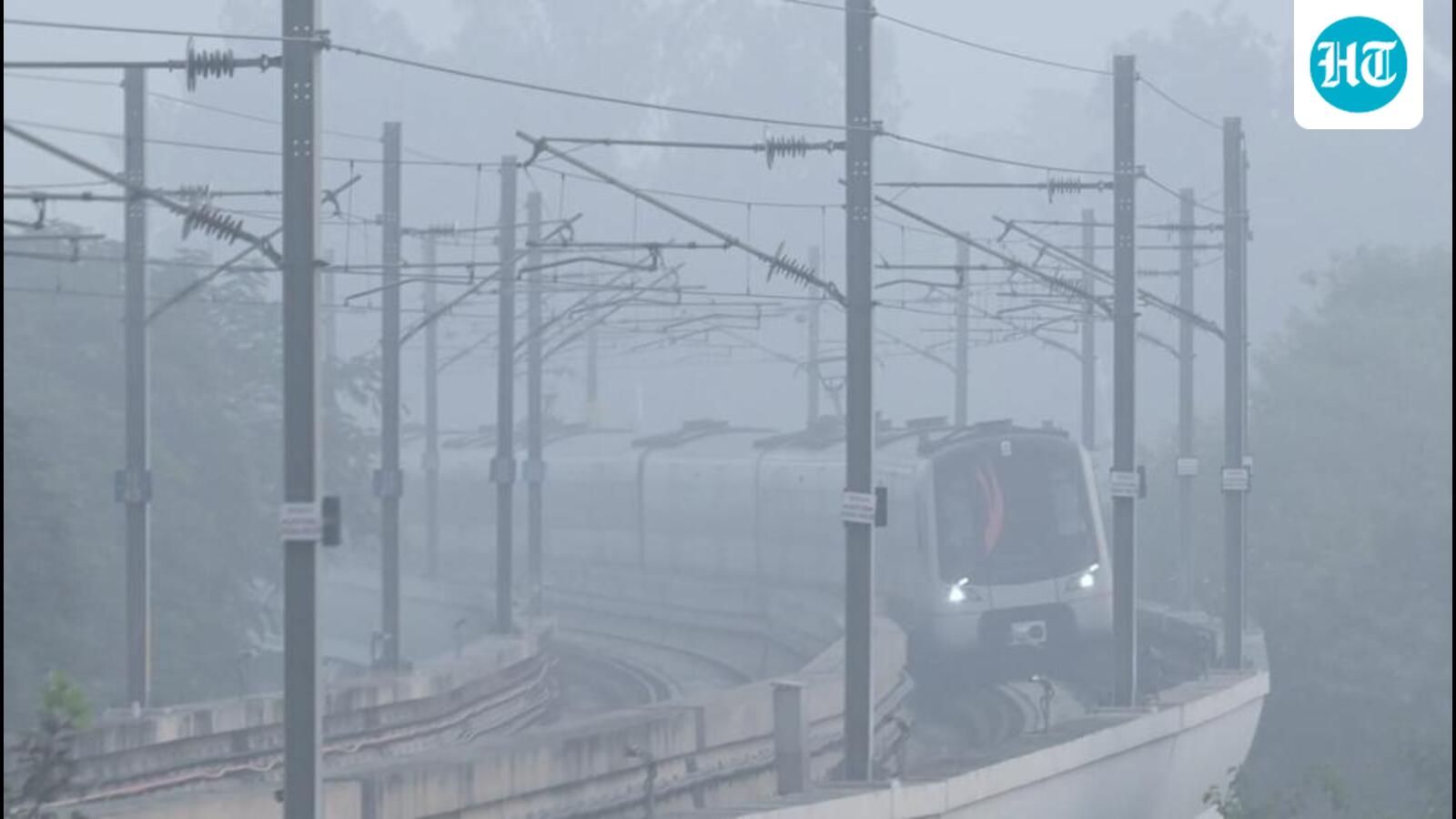
Hindustan Times
Conditions improved slightly later, but forecasts point to very poor air through November 16. Transport was the largest source of PM2.5 pollution.
The Hindu
The 24-hour average Air Quality Index (AQI) of Delhi was 379 (very poor) at 9 a.m. on November 4, 2026, as per Central Pollution Control Board (CPCB) data
Times of India
Delhi’s air quality stayed ‘very poor’ on Saturday, with the 24-hour average AQI at 367, a marginal improvement from 373 on Friday. Seventeen of 59 stations reported ‘severe’ air. IMD and the early warning system forecast a slight improvement due to rain. Transport contributed 20.5% of pollution, while stubble burning accounted for 13.3%.
Hindustan Times
Delhi’s average AQI remained very poor, with seven monitoring stations recording severe pollution as moderate fog reduced visibility on Saturday morning.
AI comparison of 7 outlets: Times of India, Firstpost, Hindustan Times, The Hindu, LiveMint, Economic Times, NDTV
Number of monitoring stations recording severe pollution levels above 400
Primary focus and angle of post-Diwali coverage