Chemical tests suggest 3,000-year-old Spanish treasure contains meteoritic iron
Times of India
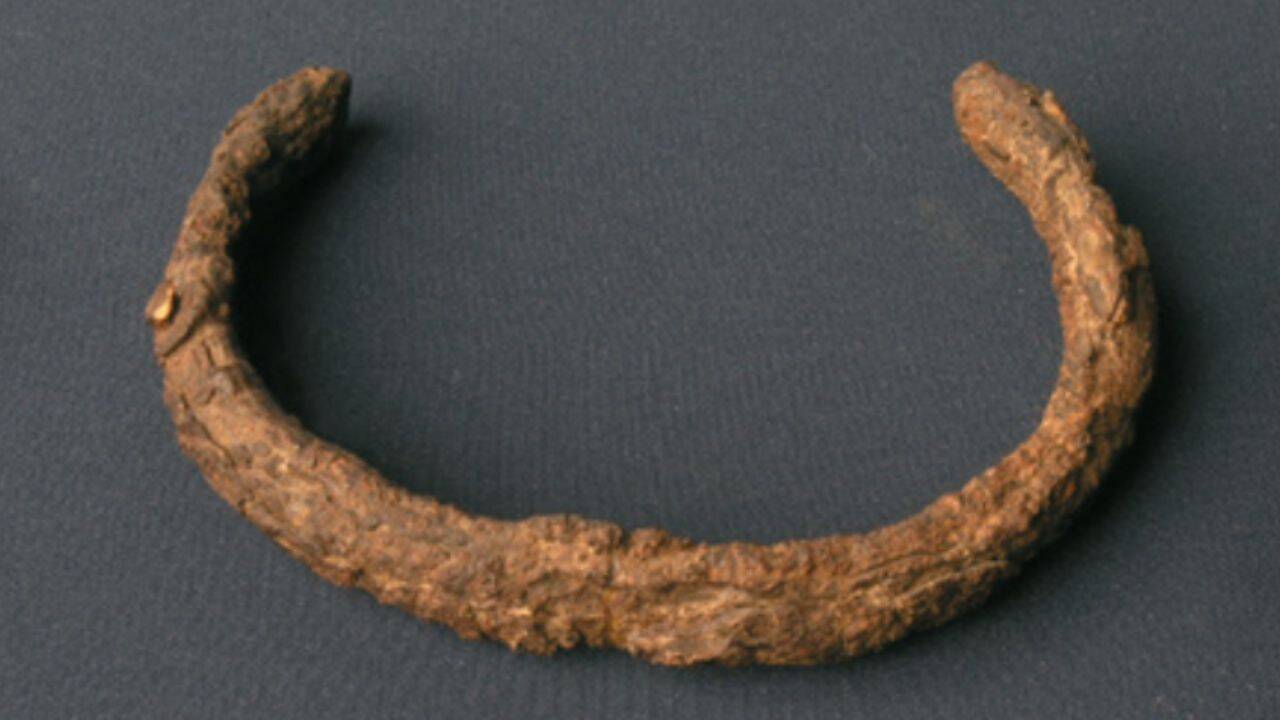
Chemical tests indicate that a 3,000-year-old Spanish treasure contains meteoritic iron.
Times of India
Chemical tests indicate that a 3,000-year-old Spanish treasure contains meteoritic iron.
Explore as a topic
Several outlets reported this. AI can compare where they agree and differ.

Spain, officially the Kingdom of Spain, is a country in Southern and Western Europe with territories in North Africa. Featuring the southernmost point of continental Europe, it is the largest country in Southern Europe and the fourth-most populous European Union (EU) member state. Spanning the majority of the Iberian Peninsula, its territory also includes the Canary Islands, in the Eastern Atlantic Ocean; the Balearic Islands, in the Western Mediterranean Sea; and the autonomous cities of Ceuta and Melilla, in mainland Africa. Spain is bordered to the north by France, Andorra, and the Bay of Biscay; to the east and south by the Mediterranean Sea, Gibraltar and Morocco ; and to the west by Portugal and the Atlantic Ocean. Spain's capital and largest city is Madrid; other major urban areas include Barcelona, Valencia, Zaragoza, Seville, Bilbao, Málaga, Murcia, Palma de Mallorca and Las Palmas.
WorldTimes of India
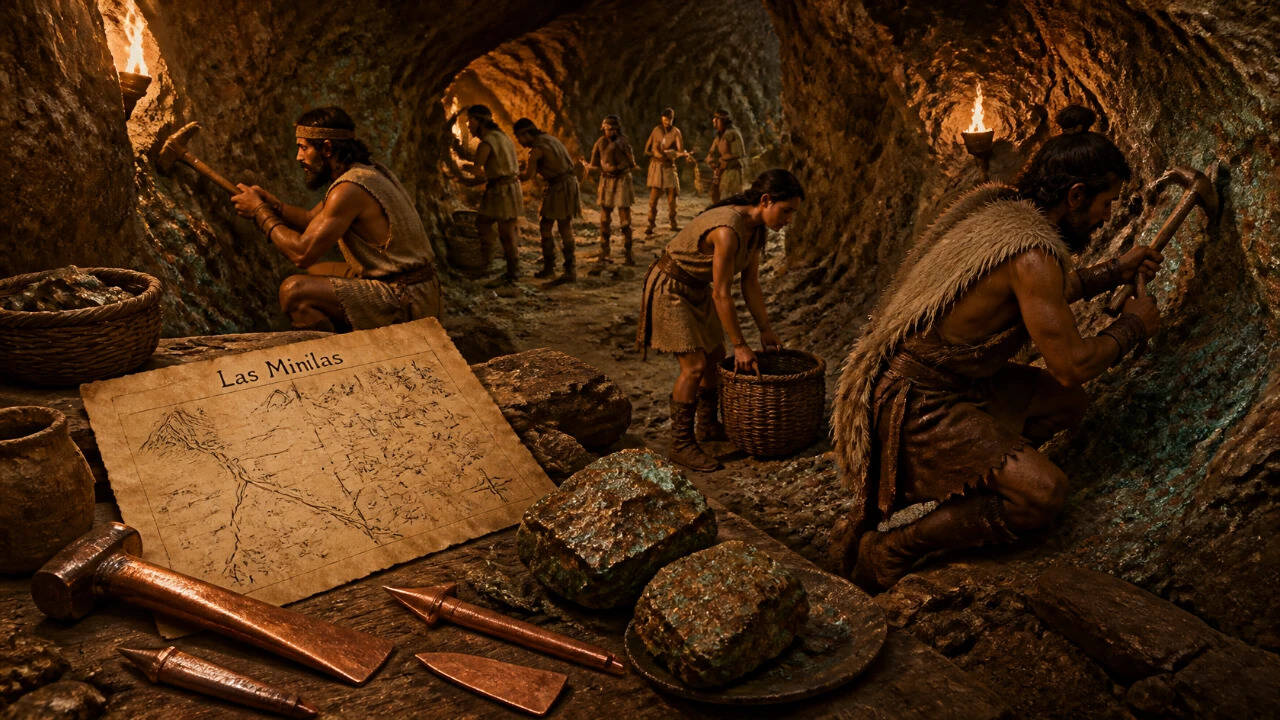
Archaeologists conducted a thorough investigation of Las Minillas, an ancient copper mine in southern Spain, revealing its historical impact. Over 700 stone tools and pottery shards were found, pinpointing extensive activity from 1300 to 700 BC. This research indicates that the copper mined here likely reached Scandinavia through trade networks, showcasing the interconnectedness of Bronze Age communities across Europe.
WorldTimes of India
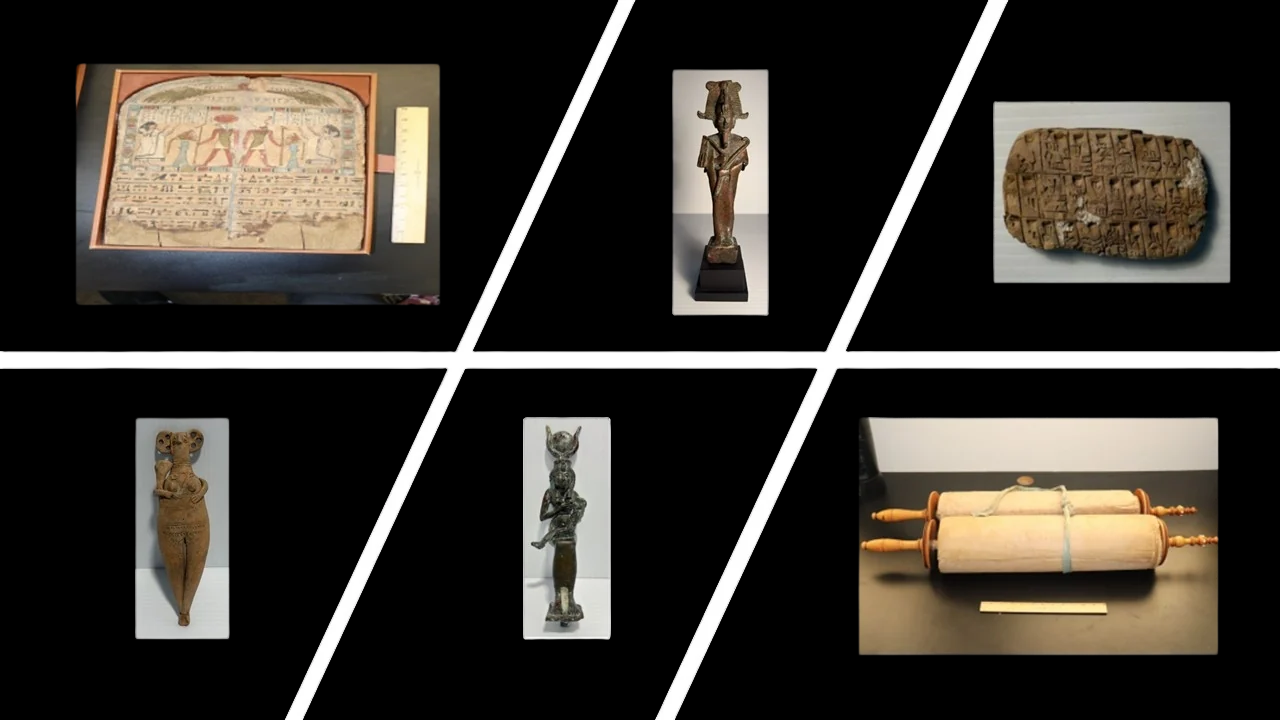
Ancient Iraqi tablets declared worth under $200 led to a $75,000 surrender in the United States.
Economic Times
WorldTimes of India
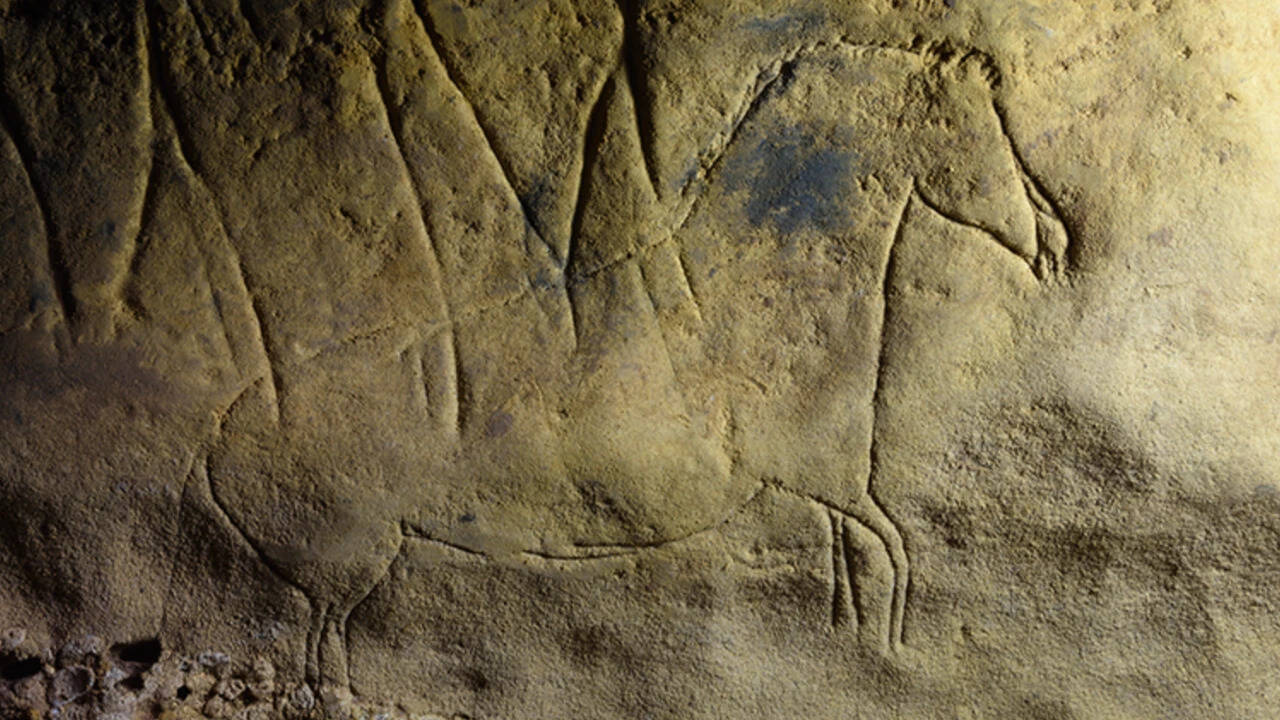
A remarkable archaeological find at Cova de la Font Major has revealed 280 Palaeolithic engravings, showcasing diverse motifs of animals and geometric shapes. This challenges the previously held notion that cave art was scarce in northeastern Iberia, where only two pieces were known. These engravings suggest the existence of unique artistic traditions independent of the famous Franco-Cantabrian region, offering new insights into the cultural practices of Ice Age Europe.
Times of India
Economic Times
Times of India
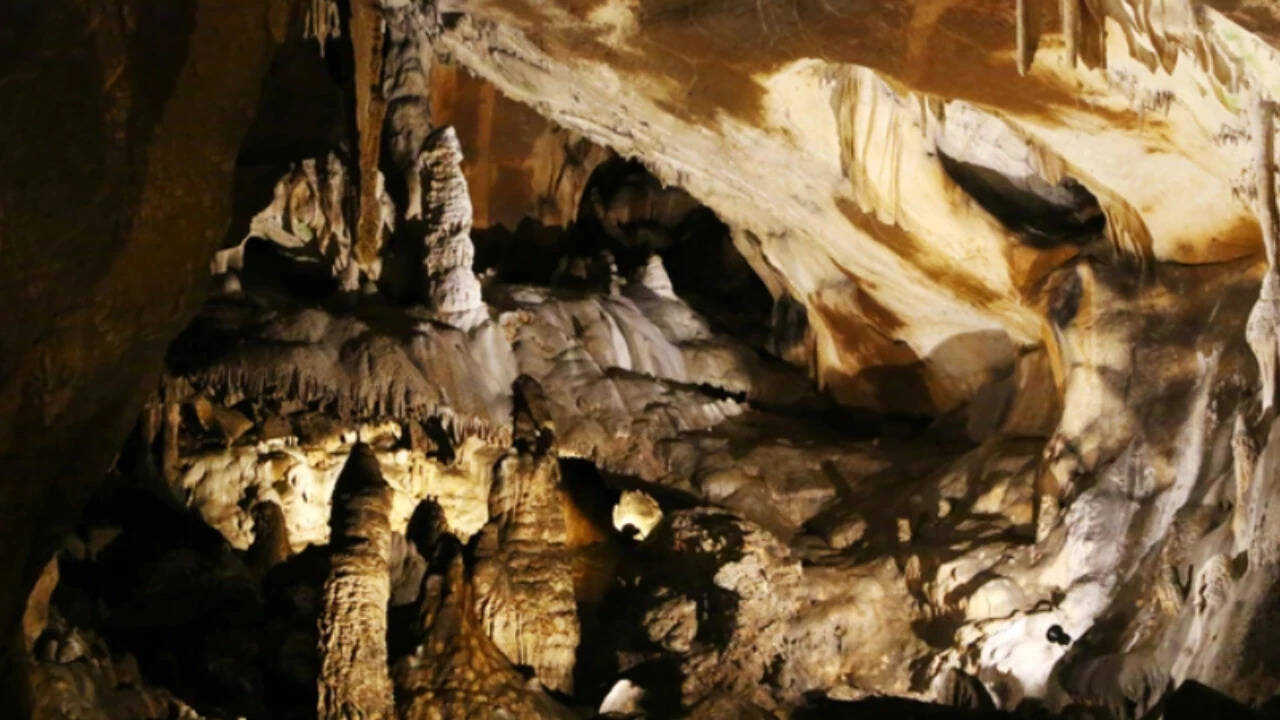
Scientists have discovered genetic links between eastern and western European populations after analysing DNA from a woman who lived around 30,000 years ago in southwestern France. The study, led by the University of Vienna, challenges earlier assumptions that Ice Age populations remained largely isolated. Researchers also recovered ancient human DNA from cave sediments in Spain, revealing long-term population continuity and connections across Europe.