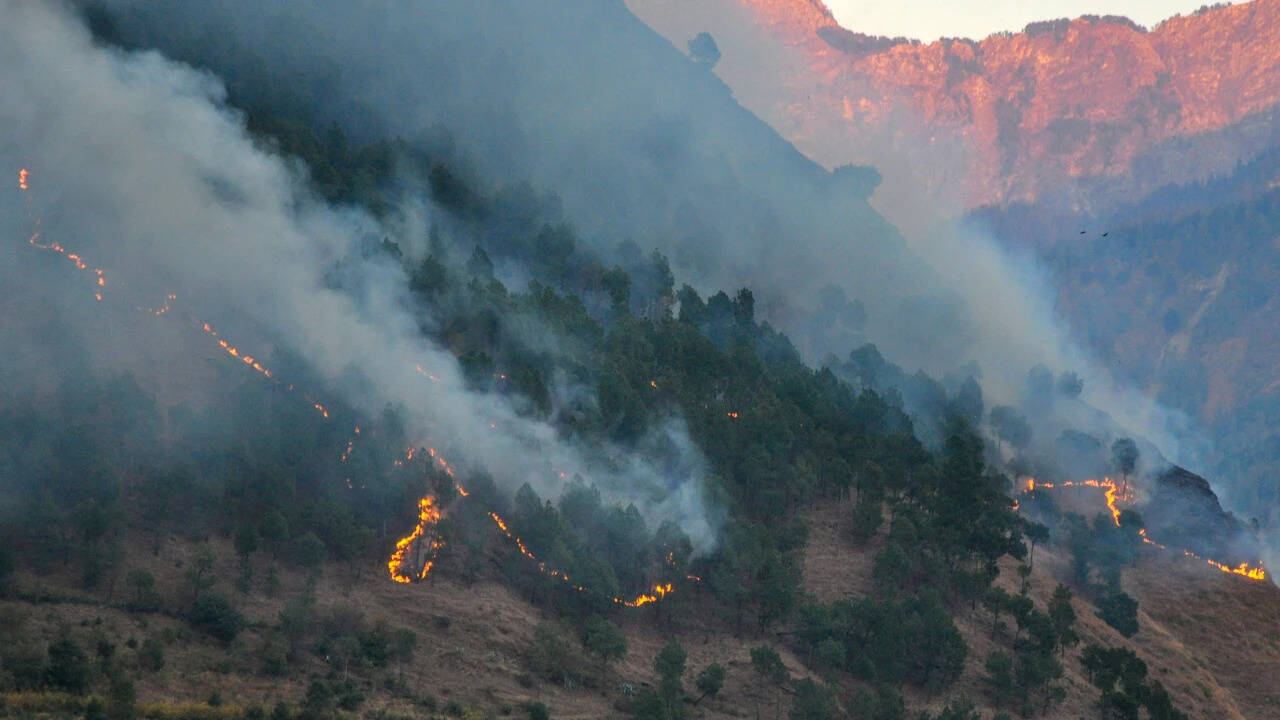
Bhutan's glacial lake outburst exposes growing disaster threat across the Himalayas
Times of India
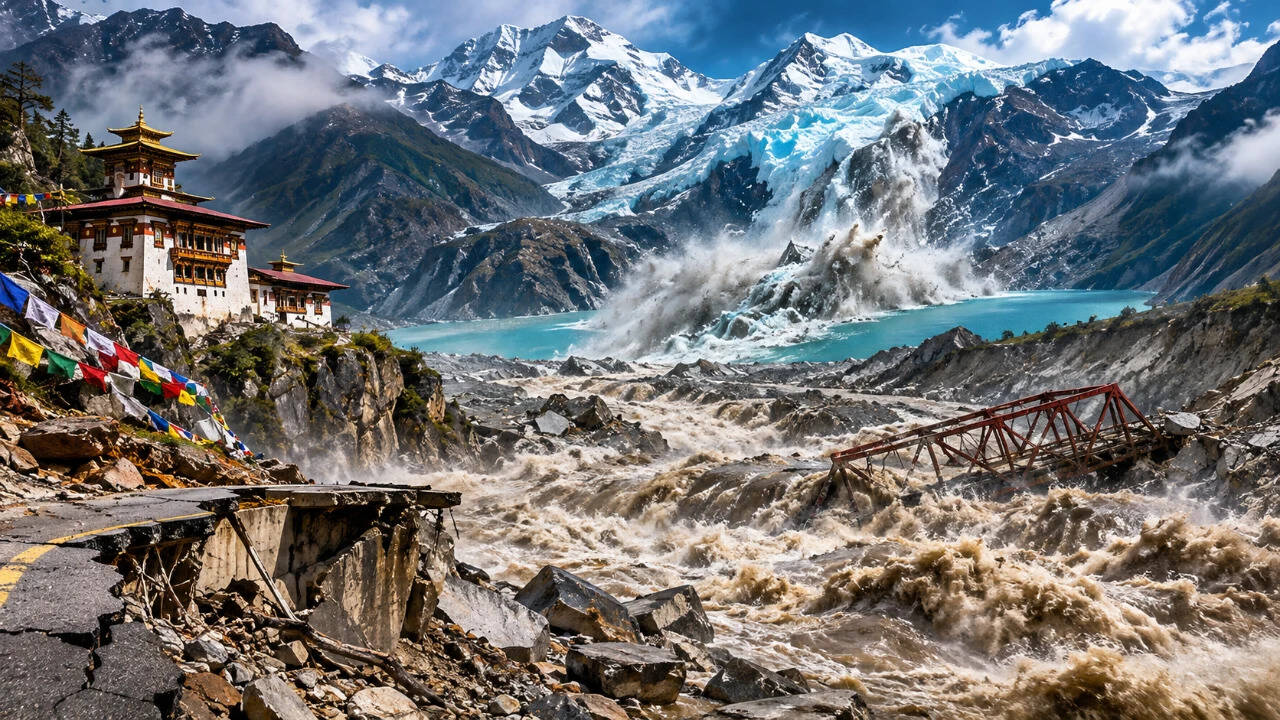
An outburst from Bhutan's Sintaphu Lake caused downstream flooding and raised concerns over escalating glacial disaster risks in the Himalayas.
On October 29, an outburst from Sintaphu Lake in Bhutan's Gasa district sent a destructive torrent of water and debris downstream. The flood damaged roads and bridges, disrupted remote settlements, and triggered flood alerts in parts of India's West Bengal and Assam.
Debris from the flood subsequently created a temporary lake at Taktsemakhang by blocking a river channel, prompting fears of a secondary disaster. Although no casualties were reported, the event highlights growing regional vulnerabilities as rising temperatures accelerate glacier loss and destabilize mountain terrain across the Hindu Kush Himalaya.
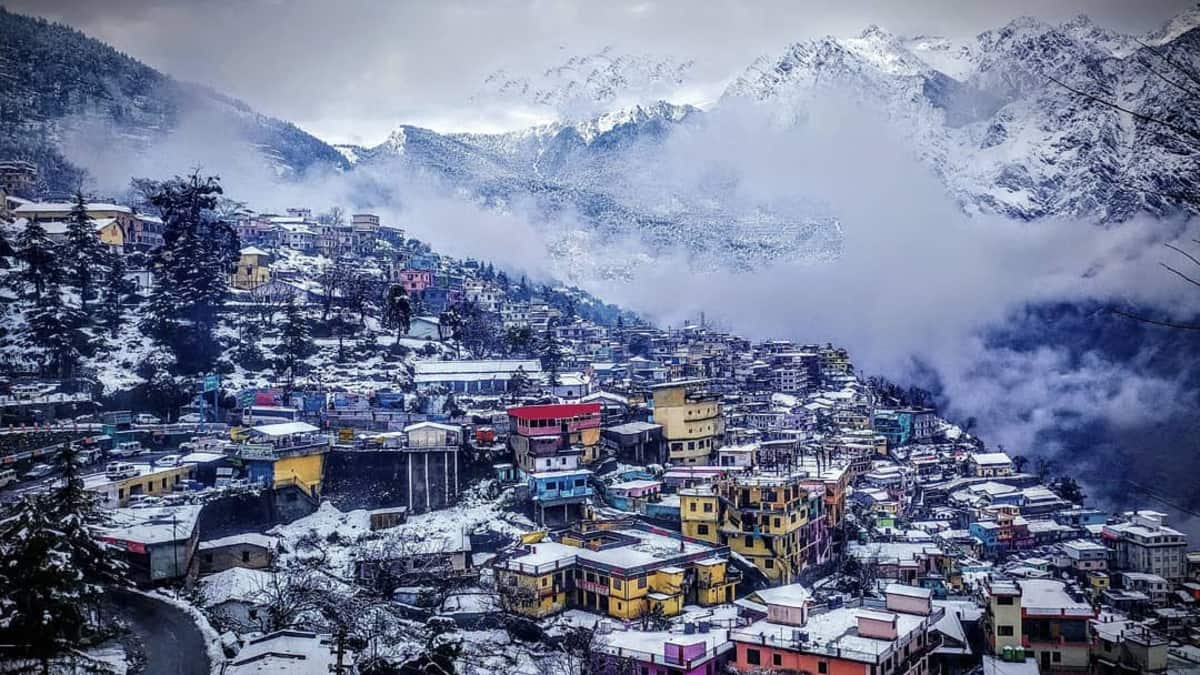
Experts note that rapid ice melting and thawing permafrost increase the likelihood of glacial lake outburst floods. Research indicates that Bhutan faces extensive risks, with studies showing numerous lakes capable of exposing thousands of people, buildings, and critical infrastructure to potential flooding.
Authorities have been monitoring the stable temporary lake while considering controlled explosions to drain accumulated water. However, substantial water remains in the upper lake, leaving the possibility of another outburst open as researchers point to significant gaps in monitoring networks.
Why it matters: The incident highlights the growing, cascading disaster risks that retreating Himalayan glaciers and expanding glacial lakes pose to vulnerable downstream communities and infrastructure across multiple countries.