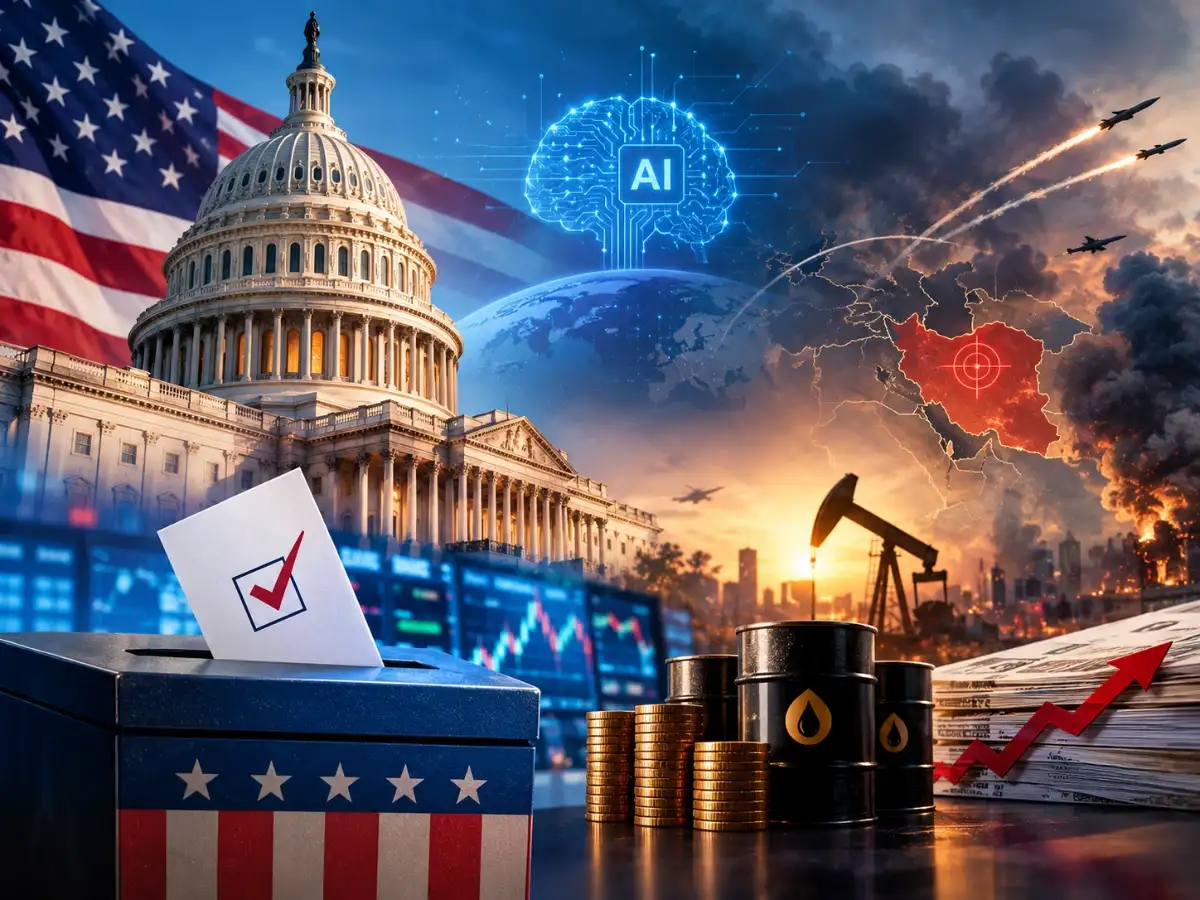
AI Safety Advocates Make Gains After $110 Million Midterm Fight
NDTV
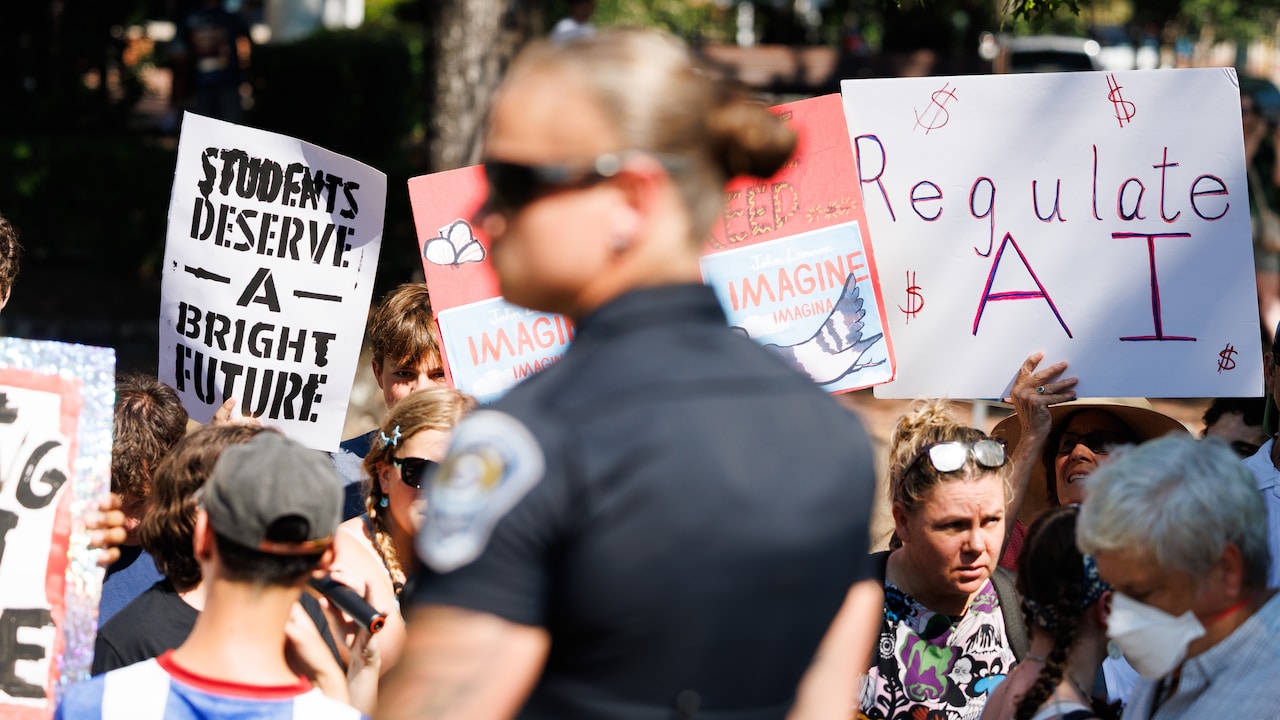
AI safety advocates secured key congressional wins following a $110 million midterm election clash between pro-regulation and anti-regulation tech funding groups.
Candidates favoring stricter artificial intelligence oversight achieved notable wins in key congressional races, propelled by a pro-regulation political funding group called Public First, which was backed in part by Anthropic PBC. Public First poured over $63 million into the midterms to champion candidates aligned with stricter AI regulations, helping elect 10 out of 17 supported candidates, including state-level AI law architects Manny Rutinel of Colorado and Scott Wiener of California.
Simultaneously, a rival light-touch regulation network named Leading the Future—backed by billionaire Marc Andreessen and other tech elites—spent at least $54 million and successfully elected 41 of the 48 candidates it backed. However, Leading the Future faced major headwinds, including backlash that caused OpenAI President Greg Brockman and venture capitalist Ron Conway to distance themselves following a high-profile fight in a New York primary.
Public spending on these AI-focused battles unfolded amid mounting public unease over rapid technological developments, data center expansions, and cyber hacks. Exit polls indicated that two-thirds of voters felt AI could harm society more than it helps, creating a political climate where lawmakers may prioritize voter-backed safeguards over tech industry lobbying.
While both rival alliances are promoters of AI backed by heavy tech money, their legislative futures face hurdles. Passing federal regulation remains difficult due to Senate thresholds and potential vetoes, leaving opponents well-positioned to dilute or block future bills even as access to newly elected lawmakers shifts.
Why it matters: The midterm results show that voter anxiety over artificial intelligence and strong grassroots backing for safety regulations can effectively challenge massive tech-industry spending aimed at light-touch oversight.