24-hour arrest clock starts from detention, not formal arrest: Supreme Court
Times of India
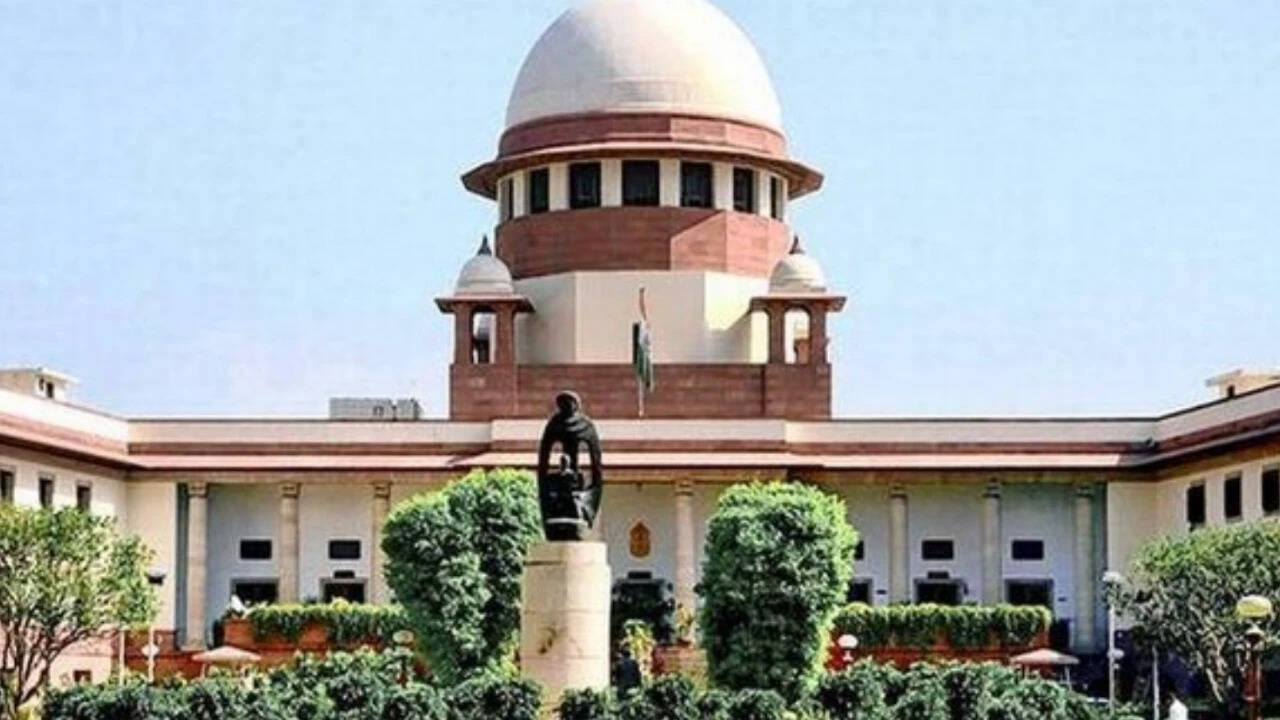
The Supreme Court ruled that the 24-hour window to present an accused before a magistrate begins from detention, not formal arrest.
The Supreme Court of India ruled that the constitutional 24-hour clock for presenting an accused person to a judicial magistrate starts at the moment of initial detention rather than formal arrest. The court stated that detention and arrest effectively curtails personal liberty in the same manner, making any distinction constitutionally unsustainable. High courts were criticized for previously separating the two concepts.
In addition, the court ruled that an accused person's fundamental rights must take precedence over special laws concerning trial delays and bail. Addressing conflicting verdicts under statutes like the UAPA, NDPS Act, and PMLA, the court emphasized that special laws must be interpreted in alignment with constitutional principles rather than overriding them.
Why it matters: This ruling reinforces constitutional safeguards for personal liberty by ensuring the 24-hour magistrate deadline begins immediately upon detention and by prioritizing fundamental rights over special criminal laws.